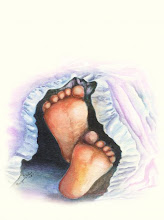
Nowadays I am feeling so hungry!
I have heard that gradually as I grow and start having fat in my little body, I will need some extra calories ..is it true?
I think ..yes..otherwise why should I be hungry all the time?
Probably you guys are thinking such a small body and so much hunger! But believe me I share all my nutrients with my mum :)
How can i leave her hungry knowing the fact that she is suffering from gestational diabetes and is following diet so religiously all the time..
Dietitians always say that pregnant women should have all healthy and nutritious diet all the time
Diet:
A well balanced diet is more important when you are pregnant, since what you eat has to meet your unborn baby's needs as well as your own requirements. The first three months of pregnancy is important as most of the physical and mental growth of the baby takes place during this time. The principal organs both external and internal and the nervous system of the baby form within this period. So it is important to eat well from the beginning itself even if you have discomforts like nausea etc. Like wise babies growth is rapid during the last three months of pregnancy. A nutritious diet during this period is essential for normal birth weight of the baby.
A nutritious diet with enough proteins, fats, carbohydrates, minerals and vitamins are essential during pregnancy. Your diet should consist of a variety of foods selected from the five basic food groups. Fresh fruits and vegetables, whole grain products like breads or cereals, meat, fish or other protein alternatives, milk and other diary products etc provide a nutritious diet. Keep off canned and processed foods, spicy foods, coffee, tea, hot chocolate, sugary foods such as cakes, cookies, candies, sodas and colas and reduce your salt intake as far as possible.
Eat as wide a variety of food as possible but in moderation. Too much of any one food can even be harmful if it leads to excessive gain in weight. Try to have three meals every day, or six smaller meals if you have problems with nausea or heartburn. A total up to a total of 2,200 or 2,800 calories is essential for a healthy pregnancy. Besides the natural diet, prenatal vitamins especially iron, calcium, folic acid are often prescribed routinely through out the pregnancy by the doctor.
Some of the essential nutrients
Folic acid: Folic acid is the most vital nutrient pregnant women need. This is needed for the development of baby's nervous system, especially in the first few weeks. Folic acid is a B vitamin that helps prevent neural tube defects (defects of the spine, brain, or their coverings) and other birth defects like cleft lip and congenital heart disease. By consuming at least 4 milligrams (mg) of folic acid every day before getting pregnant and during the first three months of pregnancy, you can help reduce the risk of these defects. Folic acid is found in dark-green leafy vegetables (like spinach or kale), liver, yeast, beans and citrus fruits, and in fortified cereals and bread. Folic acid is easily lost while cooking, so steam green vegetables or eat them raw.
Iron: Iron is needed to fuel hemoglobin production for you and your baby. Iron also helps build bones and teeth. A shortage of iron can cause a condition called anemia. If you have anemia, your doctor will give you iron supplements to take once or twice a day. You can help prevent anemia by eating more iron-rich foods like potatoes, raisins, dates, broccoli, leafy green vegetables, whole-grain breads and iron-fortified cereals.
Calcium : This is vital for the healthy development of your baby's bones and teeth, which start to form at about week eight. You will need about double the quantity of calcium than is normal. At least three servings of milk, yogurt, or cheese is essential to meet expectant mother's calcium needs. Apart from diary products, good sources include leafy, green vegetables. Diary products are also high in fat, so if possible choose low fat varieties such as skim milk. The recommended daily amount of calcium during pregnancy and breast feeding increases significantly from 800-1200mg.
Protein : Try to eat a variety of protein rich foods, because your needs increase during pregnancy. Vitamin B6 is needed for the proper utilization of protein. Fish, meat, nuts, peas, beans and diary foods such as milk and eggs all supply protein, but animal sources can also be high in fat, so limit your intake of these and choose lean cuts of meat whenever possible.
Vitamin C : This will help to build a strong placenta, enable your body to resist infection and aid the absorption of iron. It is found in fresh fruit and vegetables and supplies of the vitamin are needed daily because it cannot be restored in the body. A lot of vitamin C is lost by prolonged storage and cooking, so eat fresh produce and steam green vegetables or eat them raw.
Fiber : This should form a large part of your daily diet, since constipation and piles are common in pregnancy and fiber will help prevent it. Besides rich sources like fruits and vegetables, brown rice, nuts, cereals including oats, beans, peas and pulses etc are good sources of fiber.
Water: Water plays a key role in your diet during pregnancy. It carries the nutrients from the foods you eat to your baby, and also helps prevent constipation, hemorrhoids, excessive swelling, and urinary tract or bladder infections. Most importantly, drinking enough water, especially in your last trimester, prevents you from becoming dehydrated which can then lead you to have contractions and premature, or early labor. Pregnant women should drink at least six to eight glasses of water per day. You can drink juices for fluid, but they also have a lot of calories and can cause you to gain extra weight. Coffee, soft drinks, and teas cannot count towards the total amount of fluid you need as they have caffeine which actually reduce the amount of fluid in your body.
taken from:http://www.webindia123.com/health/women/pregnancy/diet.htm
Showing posts with label diet during pregnancy. Show all posts
Showing posts with label diet during pregnancy. Show all posts
Friday, May 14, 2010

Wednesday, March 10, 2010
What to eat in gestational diabetes:

As you all know by this time that momma is having gestational diabetes..
She is also on strict diet but if there was a proper diet plan that would have helped a lot!
Doctor aunty will probably give a diet plan but that will be next week. Before that lets do some searches about diet plans and what she should have and should not have due to having diabetes.
But i would like to tell you all that how much i love to have sweets :(
..i must be a sweet tooth as you all say for those who love sweets..but first i need to have my teeth first ;)
Hence i must be missing all the ice creams and shakes and chocolates. But still it is better to have that for whole life than having it now and develop typeII diabetes in life and not able to eat at all!
I must have that control!!
If momma is strict i am strict enough too..
What type to follow for gestational diabetes:
Here are some general guidelines:
• Eat a variety of foods, distributing calories and carbohydrates evenly throughout the day. Make sure both your meals and your snacks are balanced. The American Diabetes Association recommends that you eat three small-to-moderate-sized meals and two to four snacks every day, including an after-dinner snack. Although your meal plan may contain fewer carbs than you normally eat, complex carbohydrates should continue to provide most of your calories.
• Don't skip meals. Be consistent about when you eat them and the amount of food you eat at each one. Your blood sugar will remain more stable if your food is distributed evenly throughout the day and consistently from day to day.
• Eat a good breakfast. Your blood glucose levels are most likely to be out of whack in the morning. To keep your level in a healthy range, you may have to limit carbohydrates (breads, cereal, fruit, and milk), boost your protein intake, and possibly avoid fruit and juice altogether.
• Include high-fiber foods, such as fresh fruits and vegetables, whole grain breads and cereals, and dried peas, beans, and legumes. These foods are broken down and absorbed more slowly than simple carbohydrates, which may help keep your blood sugar levels from going too high after meals.
• Limit your intake of foods and beverages that contain simple sugars such as soda, fruit juice, flavored teas, and most desserts — or avoid them altogether. These foods can quickly elevate your blood sugar. Ask your healthcare practitioner about using foods sweetened with an artificial sweetener if you need a sweet fix.
• Milk is high in lactose, a simple sugar, so if you drink more than two or three glasses a day, you may need to limit the amount you drink and find an alternative source of calcium. If you're looking for a new beverage of choice, try club soda with a squeeze of lemon or orange, or unsweetened decaffeinated iced tea.
Moderately increasing your activity level is also a good way to help keep your blood glucose levels at normal levels. Again, speak with your diabetes educator or practitioner about the right amount and intensity of exercise for you.
Breakfast should be 15 g of carbs with 1-2 proteins
Snack 15 g of carbs with 1-2 proteins
Lunch 45 g of carbs with 3-4 proteins
Snack 30 g of carbs with 1-2 proteins
Dinner 45 g of carbs with 3-4 proteins
Snack 30 g of carbs with 1-2 proteins Eat every 2-3 hours
taken from:http://www.babycenter.com
How will the diet change?
Here are some goals for healthy eating during pregnancy if you have gestational diabetes:
- Eat three small meals and two or three snacks at regular times every day. Do not skip meals or snacks.
- Eat less carbohydrate at breakfast than at other meals because this is when insulin resistance is the greatest.
- Try to eat a consistent amount of carbohydrate during each meal and snack.
- If you have morning sickness, eat 1-2 servings of crackers, cereal or pretzels before getting out of bed. Eat small, frequent meals throughout the day and avoid fatty, fried and greasy foods. If you take insulin and have morning sickness, make sure you know how to treat low blood sugar.
- Choose foods high in fiber such as whole-grain breads, cereals, pasta, rice, fruits, and vegetables.
- Eat foods with less sugar and fat.
- Drink at least 8 cups (or 64 ounces) of liquids per day.
- Make sure you are getting enough vitamins and minerals in your daily diet. Ask your doctor about taking a prenatal vitamin and mineral supplement to meet the nutritional needs of your pregnancy.
Carbohydrate Intake Recommendations:
You'll be eating more often when you have gestational diabetes, because you need to ensure that you never get hypoglycemia attacks. The recommendation is to eat every 2 hours, and only have the following amounts of carbs during those meals/snacks:
Breakfast: 30g carbs
Snack: 30g carbs
Lunch: 45g carbs
Snack: 30g carbs
Dinner: 45g carbs
Snack: 30g carbs
If you find that your blood sugar levels are not decreasing with the above recommendations, you may need to go LOWER on the carbs, or analyze whether you're eating the right types of foods. Consult your physician and/or nutritionist on what numbers are best for you.
Of course, with all of these meals and snacks, you'll want to include protein! This helps even out (and slow down,) the processing of the carbs, as well as providing the protein your growing baby needs for various functions.
The following recipes may help. They have been divided up into specific "times" so you can get the maximum benefit from the carb/protein combinations. All carb counts are included. Counts are per serving.
taken from:http://www.e-clipse.com/gestational-diabetes-recipesGestational diabetes:what to eat and what not:
1) To stay away from sugar and foods high in sugar.
2) Have complex carbohydrates such as pasta, rice, grains, cereals, crackers, bread, potatoes, dried beans and peas on regular basis.
3) Eat fiber-rich foods such as whole grain cereals and breads, fruits and vegetables.
4) Saturated fats such as fatty meats, butter, bacon, cream and whole milk cheeses should be avoided.
5) Eat a snack before bedtime that is protein and carbohydrate based.
In sync with a woman's needs, doctor or dietitian will tell you to have about 1,200 to 1,600 calories a day if you are a small woman who exercises, to have about 1,600 to 2,000 calories a day if you are a large woman who wants to lose weight.
As a pregnant woman, it's important that you eat well-balanced meals. You may need to eat less at each meal, depending on how much weight you gain during your pregnancy. Your doctor or dietitian will explain all these to you.
taken from:http://www.diabitieslife.com/diabetes
Answer by an expert mom:
You can eat meats, and things with high protien. A lot of carbs will result in high blood surgar levels, as carbs are broken down directly into sugars and then digested as such.
Things like whole grains are excellent for you.
Also, gluton free things are often quite good for the diabetic, as the whole complex whole grains provide more protien and less starch, which helps balance it out.
Splenda can be your best friend, and its fun to bake with. There are also tons of sugar free sweets out there, and a lot of them dont taste half bad.
jello makes a sugar free cheese cake mix, and its excellent. Cant tell the difference between it and a regular mix. There are also sugar free brownie mixes, and sugar free chocolates. Sugar free ice cream. When it comes to sweets you really do have a wide variety.
Meats, whole grains, low sugar fruits in moderation. avoid things like noodles and potatos, or white breads and baked goods. ESPECIALLY foods that come wrapped in plastic, or in boxes. Those things like snack crackers, or hamburger helper are loaded with starch, and right now, starch is just as bad as sugar. It'll build up in your body and make you sick.
taken from:http://answers.yahoo.com
Friday, February 26, 2010
Food During Pregnancy:

ummmmm..i am thinking of having fish fry this weekend..
i am a big man now!
i have my definite likes and dislikes.. ;)
also as you all know genetically this tremendous liking for food i have got from my pappa..like my pappa says i would also like to address myself as a "food connoisseur"!
That is why i can say i would love to have fish fry this weekend..if you don't get fish fry i won't mind having chicken cutlet/'bhetki cutlet'/even mutton chop :)
Doctors are so very fanatic about having good food/healthy food etc during this pregnancy time.But what's a big deal! i don't understand. If my mom is having proper nutrients through diet that is sufficient..isn't it? Still there are so many restrictions doctors and even my grandmas or grandpas want to impose on me. I am really obsessed about having spicy and mouth watering food (certain dishes of certain restaurants) ..but no permission is given for the same.
Would you believe sometimes i even dream about having a bucket full of french fries or spicy nuggets? I would have loved that person if anyone would have offered me the same next morning when i wake up..but NO.. what i am being given to eat is all healthy stuff like brown bread and milk and egg and cereals :(
Still me and my mamma has no choice but to eat all healthy freaking stuff ;)
My mamma is always hungry nowadays..probably she can have the food of a whole army ;)
Given a choice and chance to me and my mom we would have loved to roam from restaurant to restaurant and gobble all that we crave for!
Writing this whole page has made me happy and satisfied! Now i can go back to my normal healthy diet course and concentrate in having that.
"Be happy..Goblu..be happy with the diet mamma is having!Don't you know the following facts which mamma has learned from net? Yes..me and mom have made our minds strict and let us see what all everyone has to say about "proper and healthy" food during pregnancy!"
Some Tips about Healthy Diet during pregnancy:
The food that the mother consumes forms the intake for the foetus as it thrives on the food intake of the mother. Hence it is necessary for the mother to consume nutritious food for the foetus to grow in a healthy manner and for herself too to make her pregnancy a healthy and enjoyable period.
A good diet is inclusive of proteins, carbohydrates, minerals, fats, vitamins and good amount of water.
Protein
A good intake of protein in regular diet aids in cell growth and blood production. Fish, peanut, tofu, lean meat, poultry, egg whites and pulses are all rich in protein
Carbohydrates
Food with carbohydrates helps to produce energy that is necessary for the body. Bread, cereals, rice, potatoes, pasta, fruits and vegetables are good sources of carbohydrates.
Calcium
Food rich in calcium is a must during pregnancy that aid in developing strong bones and teeth. It also helps in muscle contraction and proper nerve functioning. Milk, cheese, yogurt, spinach, sardines or salmons with bones are carriers of protein. Calcium intake is very important during pregnancy, as the baby demands a high supply of calcium. So it is necessary for the mother to increase the intake of calcium to prevent the loss of calcium from her own bones.
Iron
A good intake of iron helps in the production of red blood cells that keeps anemia at bay. Lean red meat; spinach, cereals and iron fortified whole grain breads supply a lot of iron to the body. Vegetables like drumsticks and beetroots are also rich in iron
Vitamin A
Vitamins are providers of healthy skin, good eyesight and also aid in developing strong bones. Carrots, dark green leafy greens and sweet potatoes are good sources of vitamin A
Vitamin C
Citrus fruits, broccoli, tomatoes, fortified fruit juices carry vitamin c that is required for healthy gums, teeth and strong bones.
Vitamin B6
Food rich with vitamin B6 like pork, gram, and whole grain cereals and bananas supply this type of vitamin for the body. The vitamin not only aids in the formation of red blood cells but also for the effective use of protein, carbohydrates and fat by the body.
Vitamin B12
This vitamin helps in the formation of red blood cells and helps to keep the nervous system healthy. Meat, fish, poultry and milk provide this vitamin. People who follow a vegetarian diet should take a vitamin B6 supplement.
Vitamin D
Fortified milk, dairy products, cereals and breads are all important sources of vitamin D that aids in the absorption of calcium and for the development of healthy bones and teeth.
Folic acid
Green leafy vegetables, dark yellow fruits and vegetables, peas, beans and nuts are all rich in folic acid that helps a lot in blood and protein production and effective enzyme production. Folic acid helps prevent neural tube defects that occur during the early stages of pregnancy. Hence a good amount of folic acid is necessary for the body before pregnancy and during the early weeks of pregnancy. Despite the presence of folic acid in one's natural diet, pregnant women are advised to take folic acid supplement.
Diet For Vegetarians
It is highly challenging to provide the body the required nutrition during pregnancy if the person is following a vegetarian diet. It is very important to supplement a diet that is sans fish, poultry, meat and eggs. The pregnant woman is usually recommended to opt for vitamin B12 and vitamin D supplements. It is also vital to consult a nutrition dietitian for a prescribed nutritious diet for the mother as well as the foetus.
Food To Be Avoided During Pregnancy
No amount of alcohol or smoking is advisable during pregnancy. The pregnant mother has to strictly keep away from them. Caffeine is also to be avoided as consumption of caffeine during pregnancy can cause miscarriages in the early stages.
- Unpasteurized cheese and milk, apple cider and juices
- Raw eggs and food containing raw eggs
- Undercooked or raw meat, fish and processed meat
- Fish that has mercury content in them like shark, swordfish, king mackerel and tilefish are to be avoided.
Hence eat healthy, be healthy during and after pregnancy as your little infant thrives on your diet for a healthy living.
(taken from http://living.oneindia.in)
Subscribe to:
Posts (Atom)